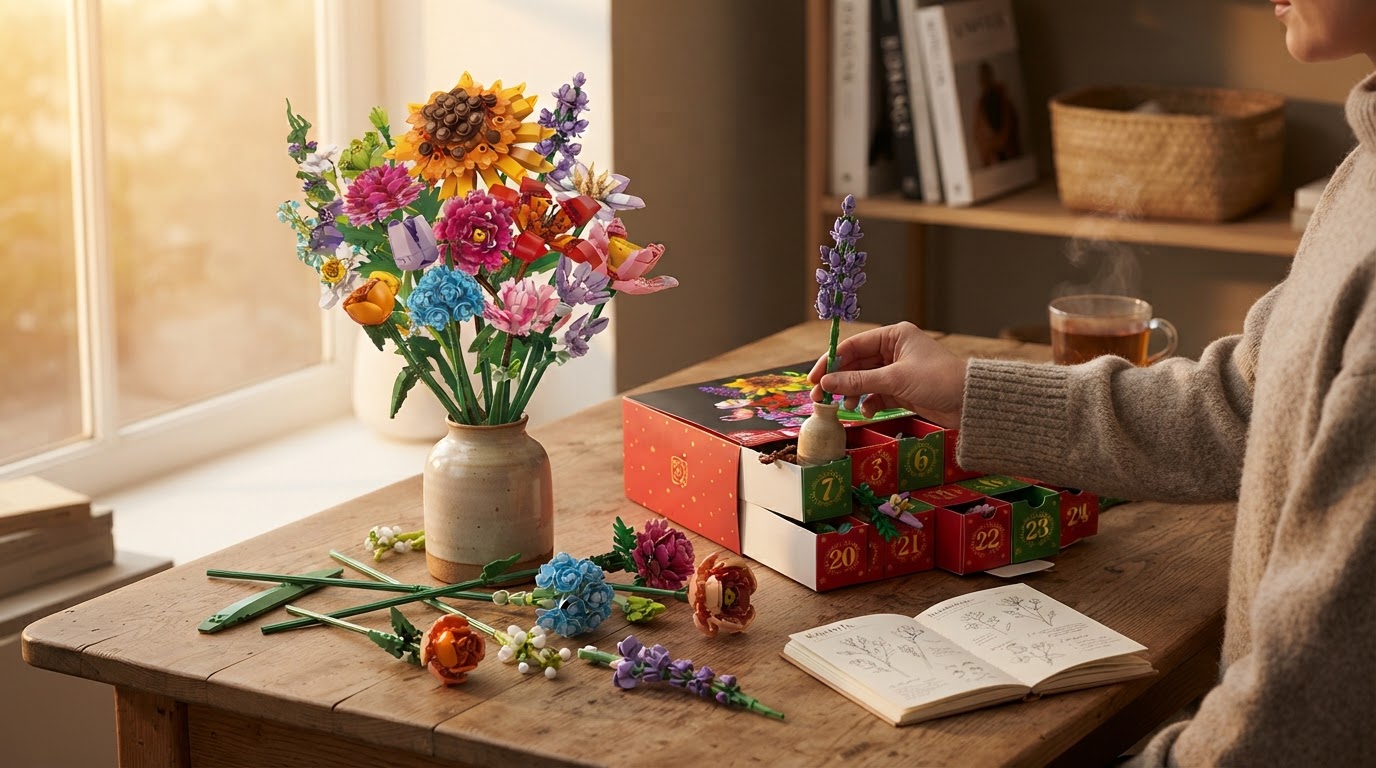
What defines a high-quality botanical advent calendar?
 Jordan HaleStaff Writer
October 13, 2026 — A high-quality botanical advent calendar is defined by its use of authentic plant materials, such as pressed specimens or viable seeds, rather than synthetic replicas.
I remember the morning I first unboxed a prototype of the Flower Advent Calendar; the faint, earthy scent of dried larkspur immediately filled the room, a stark contrast to the sterile plastic smell of mass-market alternatives. Consumers and hobbyists are increasingly moving away from disposable novelties toward meaningful, nature-based experiences that last beyond the holiday season. Whether you are looking for a botanical advent calendar gift for a loved one or a treat for yourself, the distinction lies in the tactile connection to the natural world.
What materials are used in botanical advent calendars?
Premium botanical advent calendars typically feature organic elements like pressed flowers, dried herbs, or heirloom seeds that encourage active engagement with gardening. The first thing I noticed was the weight of the individual compartments, which felt substantial because they housed real biological specimens rather than hollow plastic toys. According to the Klorane Botanical Foundation, a botanist's advent calendar can even utilize educational cards to teach users about 24 different plant species throughout December. This educational layer transforms a simple countdown into a month-long masterclass in horticulture. For those who prefer a more permanent aesthetic, a preserved flower christmas countdown offers flora that has been treated to maintain its supple texture and vibrant color for months. The integrity of these materials is what separates a true botanical collection from a generic floral-themed box.
How do botanical calendars differ from traditional toy versions?
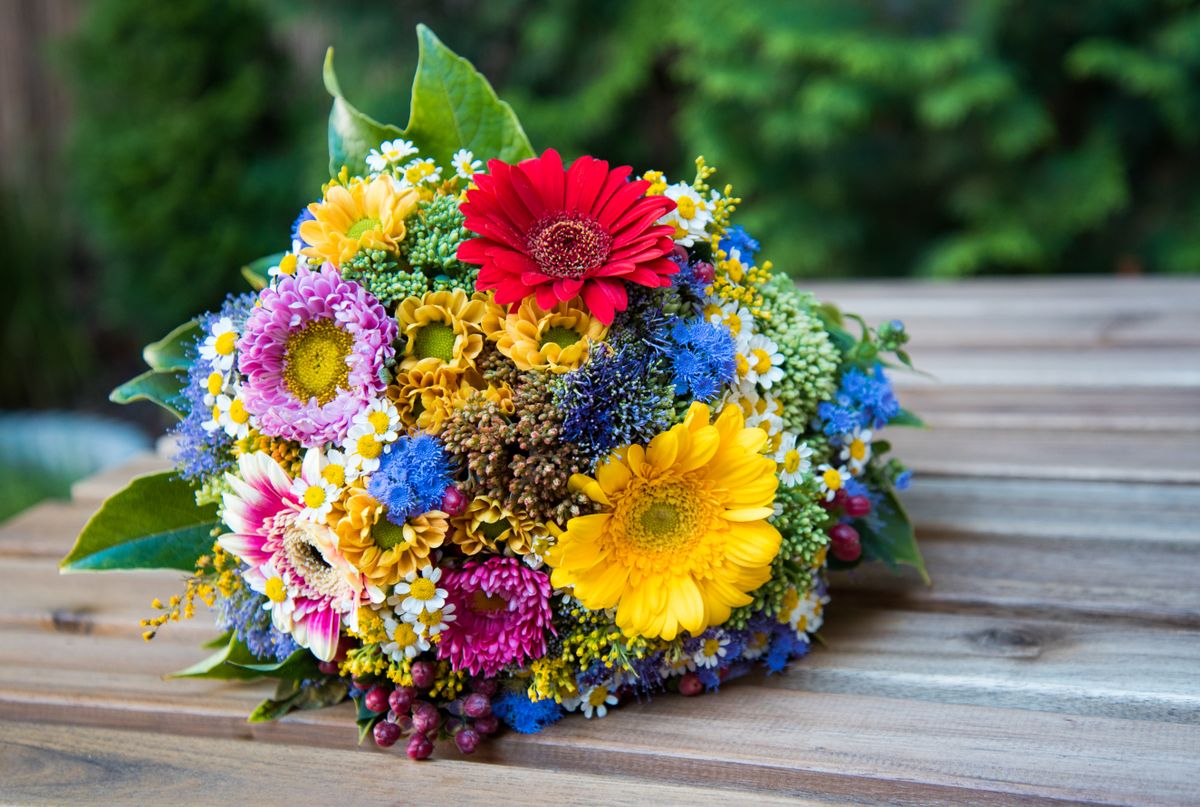
Photo by Peter Olexa on Pexels
Botanical calendars prioritize sensory experience and environmental sustainability over the immediate, fleeting gratification of small plastic figurines. Somewhere around week two, I realized that I wasn't just collecting items; I was building a curated collection of nature's best work that I could actually use. Where toy calendars offer a new buildable treat every day, botanical versions focus on growth and preservation. For instance, the Botanical Ornament Advent Calendar previously offered by Anthropologie included 25 pressed botanical ornaments and a wooden frame, allowing the user to create a lasting piece of home decor. This shift toward functional art is a hallmark of the Flower Advent Calendar philosophy. If you find yourself drawn to the muted tones of autumn and winter, exploring a dried flower advent calendar guide can help you identify which species retain their structural beauty best when desiccated.
Quick answers
Q: Are the flowers in these calendars real or artificial? A: High-quality selections like the Flower Advent Calendar use 100% real flora that has been either dried, pressed, or preserved. You will not find synthetic polyester or plastic replicas in a true botanical countdown.
Q: Can I grow plants from a botanical advent calendar? A: Yes, many versions are designed specifically as seed advent calendars, providing 24 unique packets of non-GMO seeds for the upcoming spring planting season. This format is particularly popular among the gardening community on platforms like Reddit.
Q: How long do the botanical items typically last? A: If kept out of direct sunlight and high humidity, items such as those in a preserved flower christmas countdown can maintain their appearance for 1 to 3 years. The wooden frames often included in Anthropologie botanical sets are designed for permanent display.
Learn more about Flower Advent Calendar at https://floweradventcalendar.com.
Sources
- Botanical Ornament Advent Calendar | AnthroHome - Anthropologie
- A Botanist's Advent Calendar | Klorane Botanical Foundation