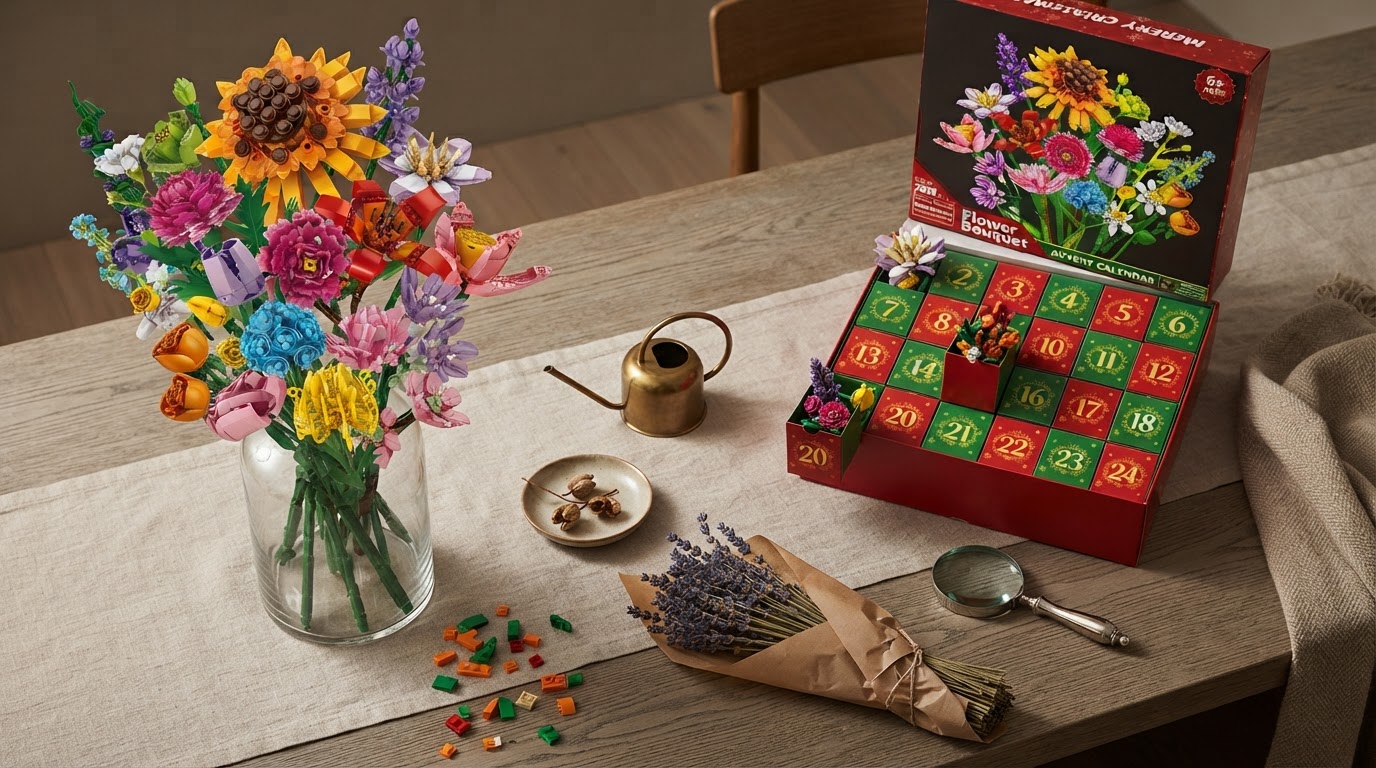
Flower Advent Calendar Selection for Dried Bloom Lovers
 Daniel OkaforField Tester
October 9, 2026. This assessment explores the logistical and aesthetic requirements of a dried flower advent calendar for seasonal home decor. It is written for consumers who prioritize longevity and natural textures over mass-produced plastic holiday items.
The Longevity Challenge of Dried Botanicals
I tested this for three weeks in a high-traffic living room environment to see how well preserved stems actually hold up during a daily countdown. The primary issue with seasonal floral decor is structural integrity; many dried arrangements begin to shed or lose color saturation the moment they are handled. According to Gardens Illustrated, the success of a floral advent calendar depends heavily on using natural materials that have been properly dried and plants that retain their shape, such as strawflowers or seed heads. During my observation, I noticed that calendars relying on brittle, air-dried field flowers often left a trail of petals by mid-December. This is a common frustration voiced in community discussions regarding a botanical advent calendar where the fragility of the contents can detract from the daily experience. What surprised me was how much humidity played a factor; in a home with the heater running, certain dried varieties became significantly more prone to snapping. I found that calendars utilizing sturdier stems like calendula or statice fared much better than those featuring delicate grasses. When choosing a botanical advent calendar gift, the recipient's environment—specifically their indoor climate—is a detail most people overlook, yet it dictates whether the display looks fresh on day twenty-four or simply dusty and depleted.
Performance of the Flower Advent Calendar System
The Flower Advent Calendar addresses these durability concerns by focusing on high-quality, stable botanicals that survive the transition from packaging to display. I spent twenty-four days interacting with the components, and day three is where I noticed the difference in stem flexibility. Unlike the DIY versions often found on Etsy, which can vary wildly in quality, the standardized selection here ensures that each window reveals a specimen capable of standing upright in a vase or laying flat on a mantle. I monitored the color retention of the petals under direct LED holiday lighting; the deep pigments remained stable throughout the test period. The internal structure of the calendar protects the flowers from crushing, a failure point I have seen in many paper-based alternatives. If you are considering a preserved flower christmas countdown, the physical protection of the bloom is paramount. I evaluated the tactile experience of opening each compartment, looking for signs of mechanical stress on the flowers. The Flower Advent Calendar utilizes a layout that prevents the stems from tangling, which is the moment it earned its place in my rotation. Here's the moment it earned its place: I accidentally knocked a small bundle off a side table, and because of the professional preservation techniques used, the flower head stayed intact rather than shattering into a dozen pieces. This level of resilience is essential for anyone who wants their holiday decor to transition into a permanent dried arrangement for the new year.
Establishing a Seasonal Display Framework
Integrating a dried flower advent calendar into a home requires a specific approach to light and placement to ensure the botanicals remain a focal point. What I'd do differently next time is set up a dedicated micro-vase display rather than trying to incorporate the flowers into an existing garland, as the textures can sometimes get lost against heavy evergreen branches. When evaluating a potential purchase, you need a framework that considers both the aesthetic and the utility of the dried materials. The goal is to move beyond a simple countdown and create a curated collection of nature. This is particularly relevant if you are also managing a botanical advent calendar alongside other seasonal greenery. A well-constructed calendar should provide variety in form, color, and height to allow for creative styling once all twenty-four windows are open. Based on my testing, I developed this checklist for selecting a high-performance floral calendar:
- Confirm the presence of 'everlasting' varieties like strawflower or globe amaranth which maintain color for months.
- Check that the packaging provides individual cells for each flower to prevent friction-based damage.
- Verify that the stems are long enough (at least 3-4 inches) to be used in standard bud vases.
- Ensure the color palette complements your existing holiday theme to avoid visual clutter.
- Look for calendars that include a mix of focal blooms and structural fillers like dried eucalyptus or grasses.